
Since the COVID pandemic, the word resilience has been everywhere.
In corporate culture, it has become a mantra — endlessly repeated by leaders and elevated to the status of a core value.
Companies must be resilient.
Employees too.
In the face of adversity — first sanitary, then geopolitical, economic, and technological — the world has become increasingly unpredictable. Organizations struggle to plan, to budget, to anticipate growth or even stability. So theories emerge. And resilience is invoked.
We must learn to absorb shocks.
Adapt.
Hold on.
Never let go.
In this narrative, resilience becomes an unquestionable virtue. And in the workplace, the resilient employee is the ideal one. The one who never complains, regardless of circumstances. Who remains professional, absorbs additional workload, meets deadlines, and does not count their hours to deliver.
Despite crises.
Despite personal difficulties.
Despite declining purchasing power.
Despite the absence of raises, bonuses, or long-promised promotions.
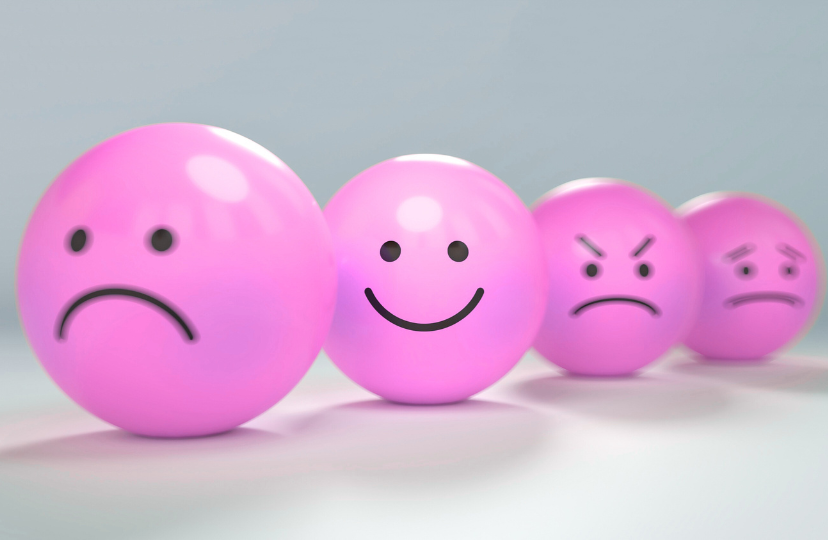
To be clear: resilience is an admirable quality. In the face of aggression, danger, or disaster, it is often the best possible response. History offers countless examples of communities that survived and rebuilt thanks to it.
But when transposed uncritically into the workplace, resilience becomes something else entirely.
It can turn into a tool that normalizes abuse.
When resilience becomes a cult, it justifies permanent overtime, chronic overload, and hierarchical power abuses.
Don’t give up. Take on this extra task, it’s good for you. Be resilient — it will help you grow.
When, in reality, the workload is already excessive. When it would often be healthier — and fairer — to hire, to replace, to redistribute work properly.
Individual resilience then becomes an economic alibi.
A quiet way to save the cost of an additional role.
A transfer of responsibility disguised as a moral virtue.
Resilience should never mean abandoning one’s limits.
And it should certainly not be confused with workaholism.
Endurance is not self-erasure. And holding on should never require self-sacrifice.
After years of being told to be more resilient, maybe what you actually need… is permission to slow down.
To question the pace. To question the expectations. To reconnect with what a quieter, healthier life could look like.
If you feel this shift inside you, Slow Living After a Demanding Life is a gentle workbook designed to help you reflect, reset, and start imagining a different rhythm.